What are you looking for?
Search

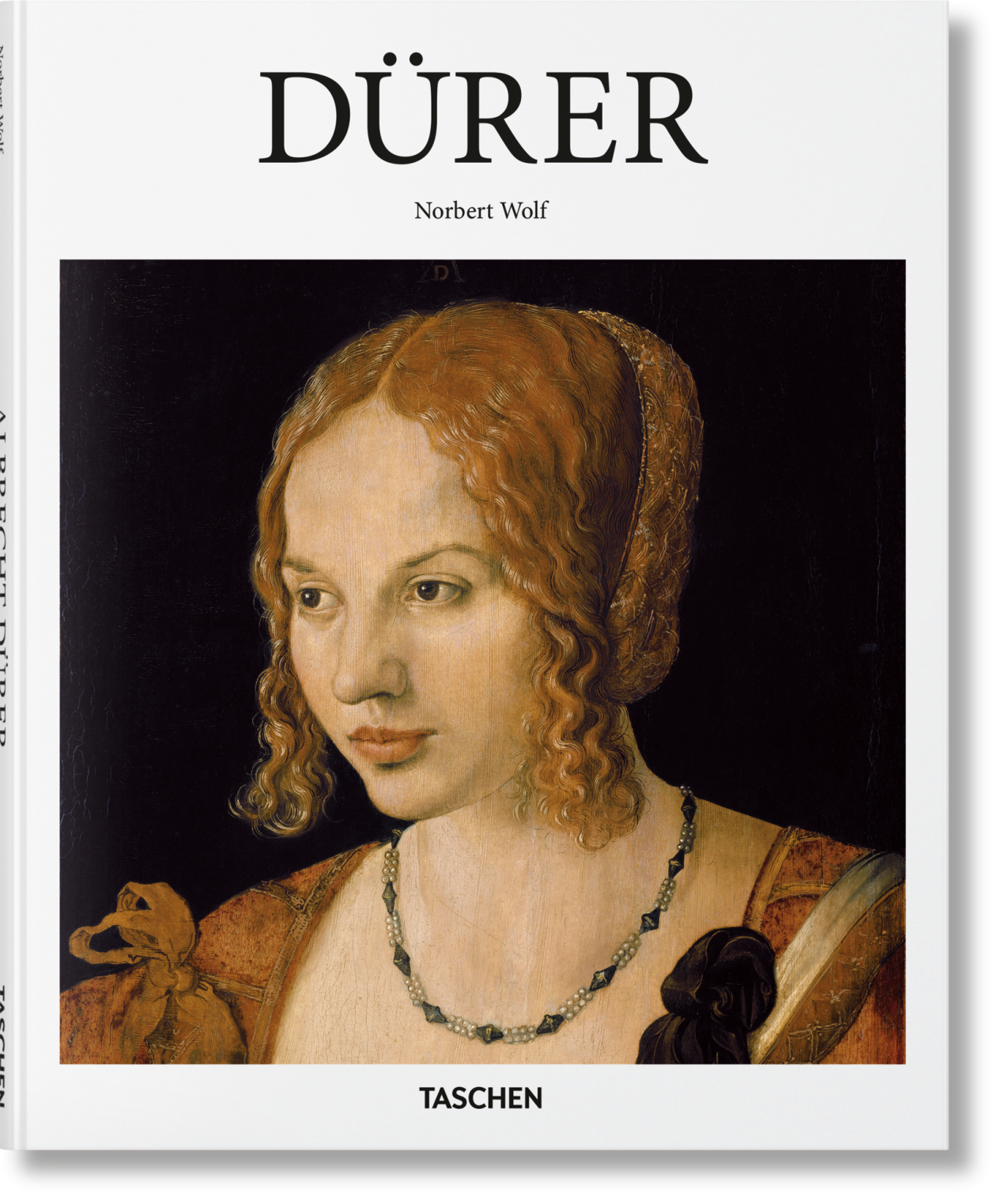
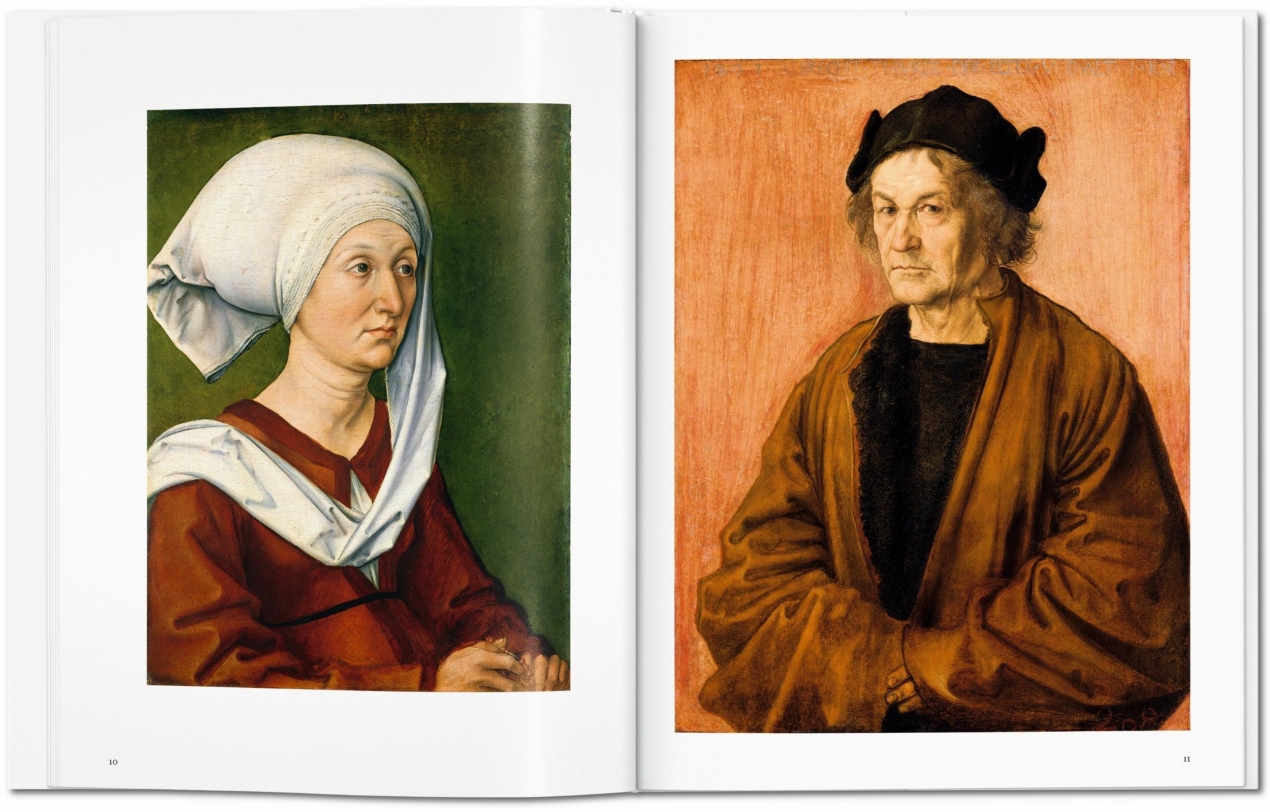
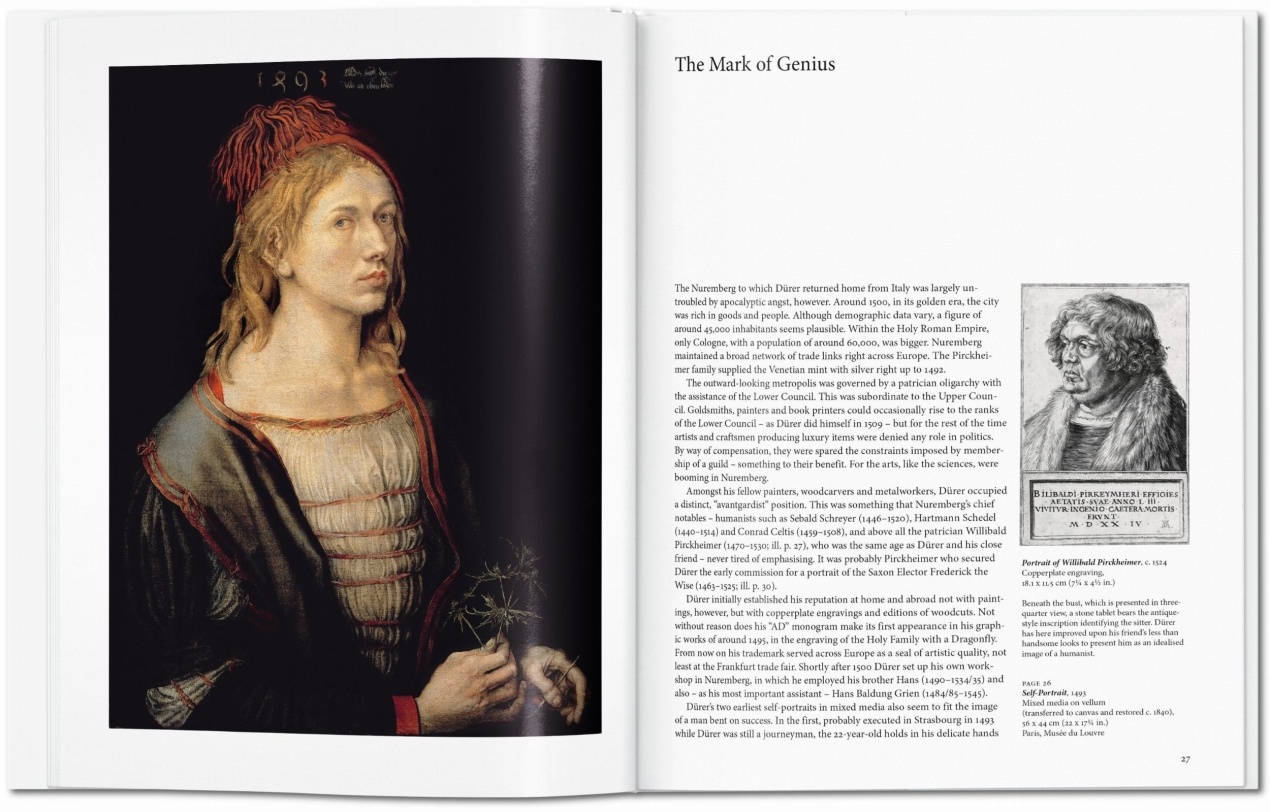
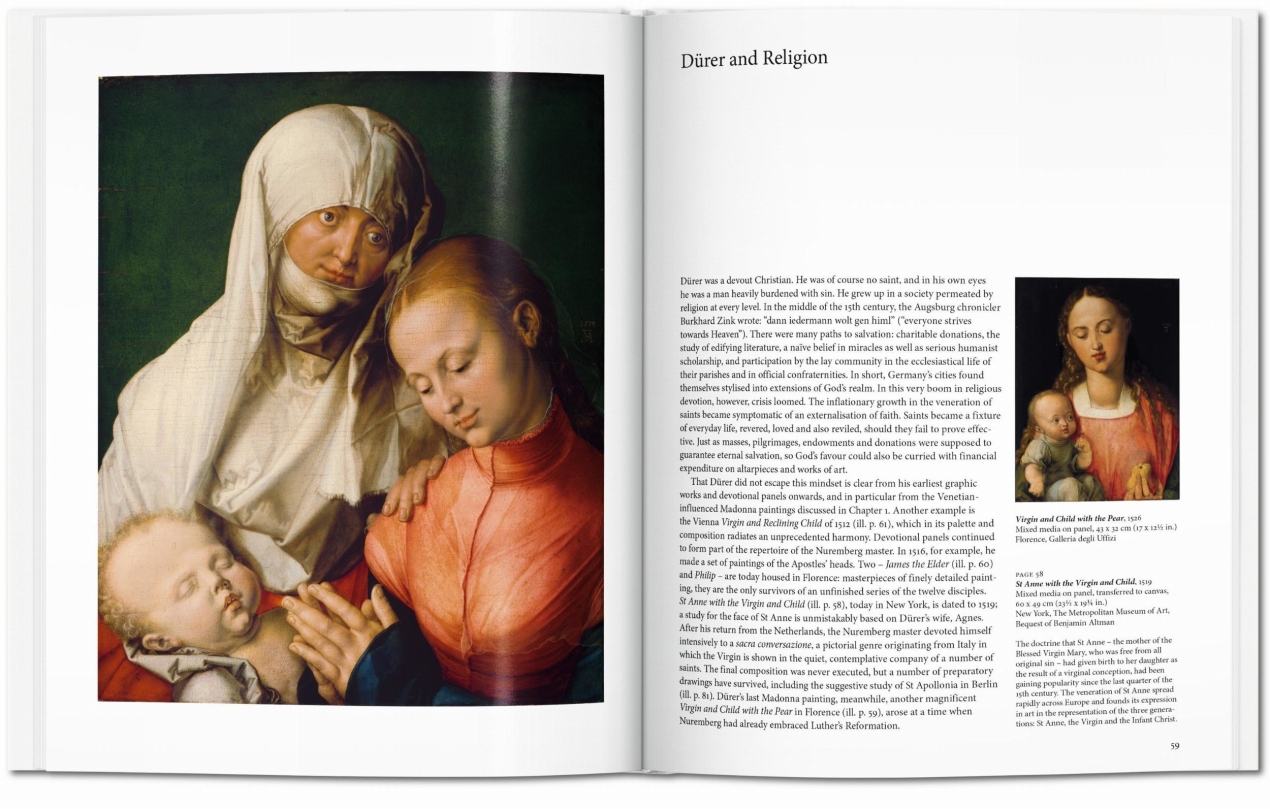
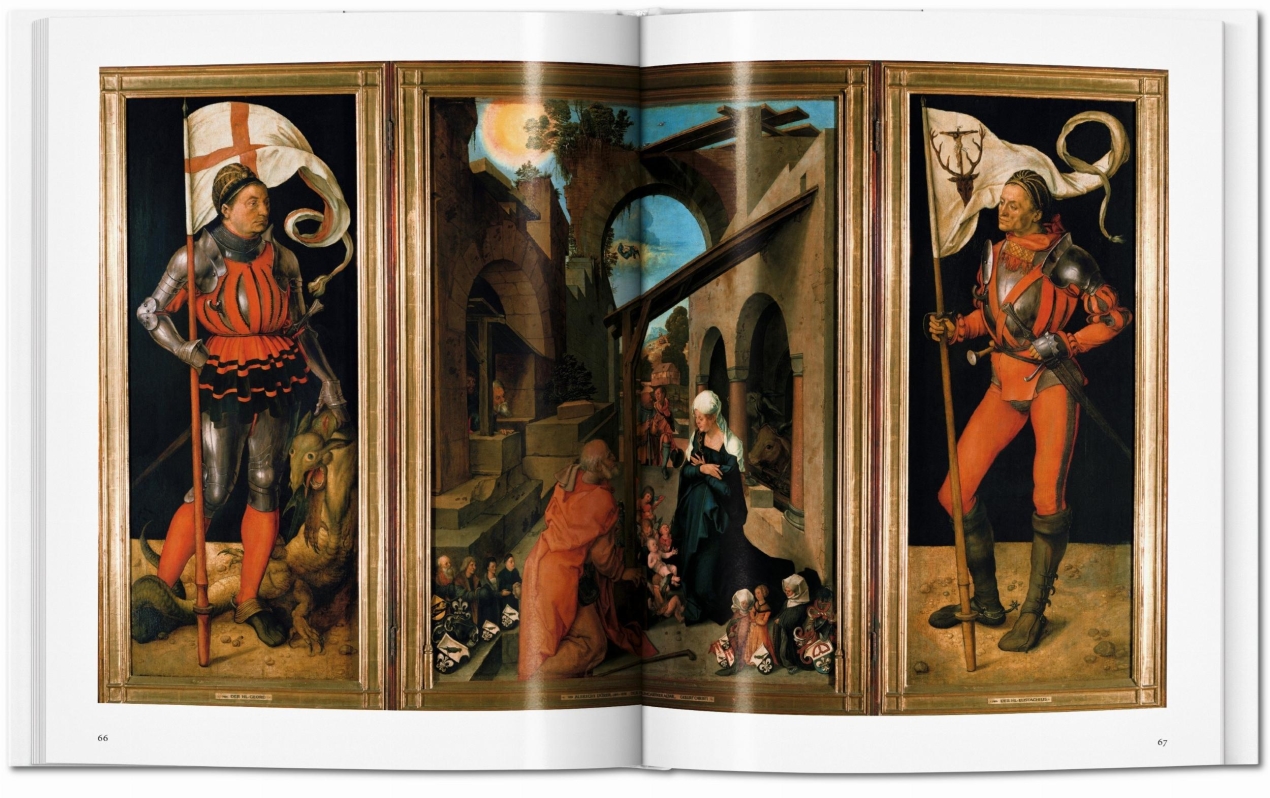
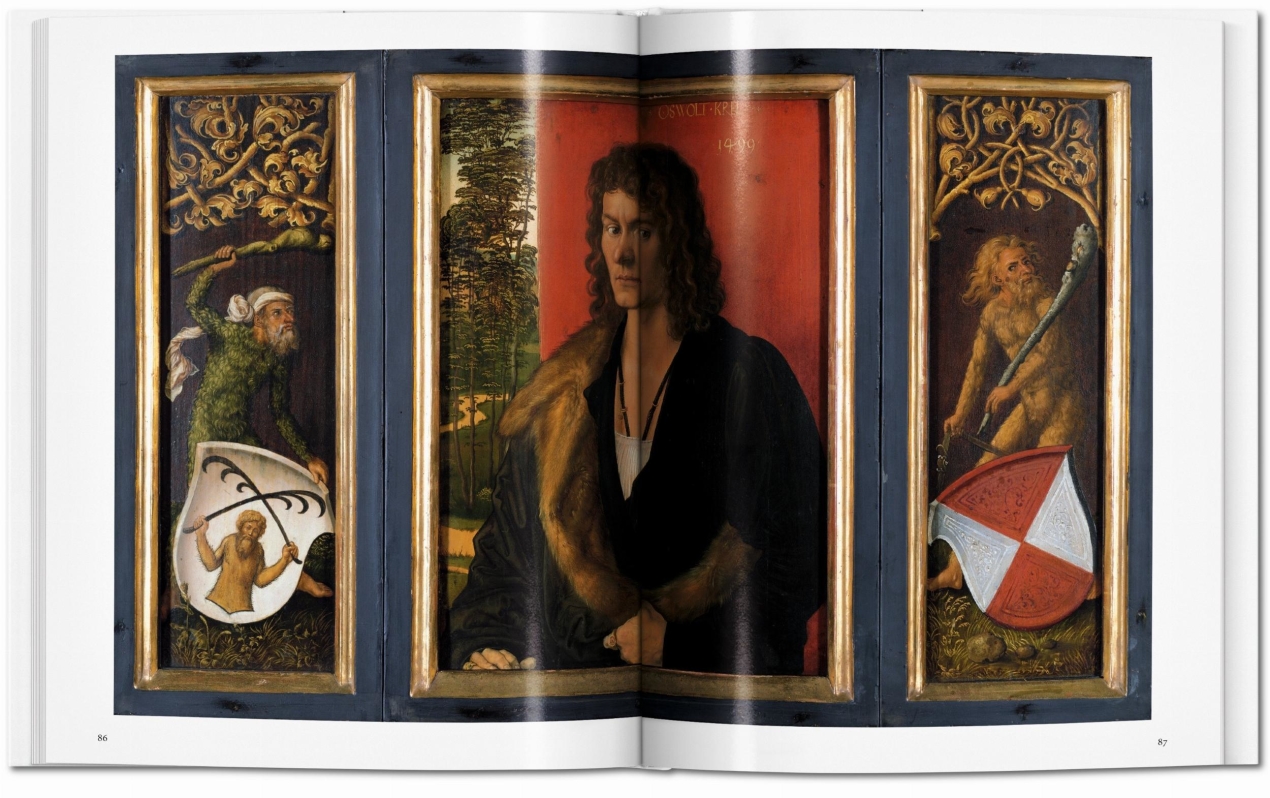
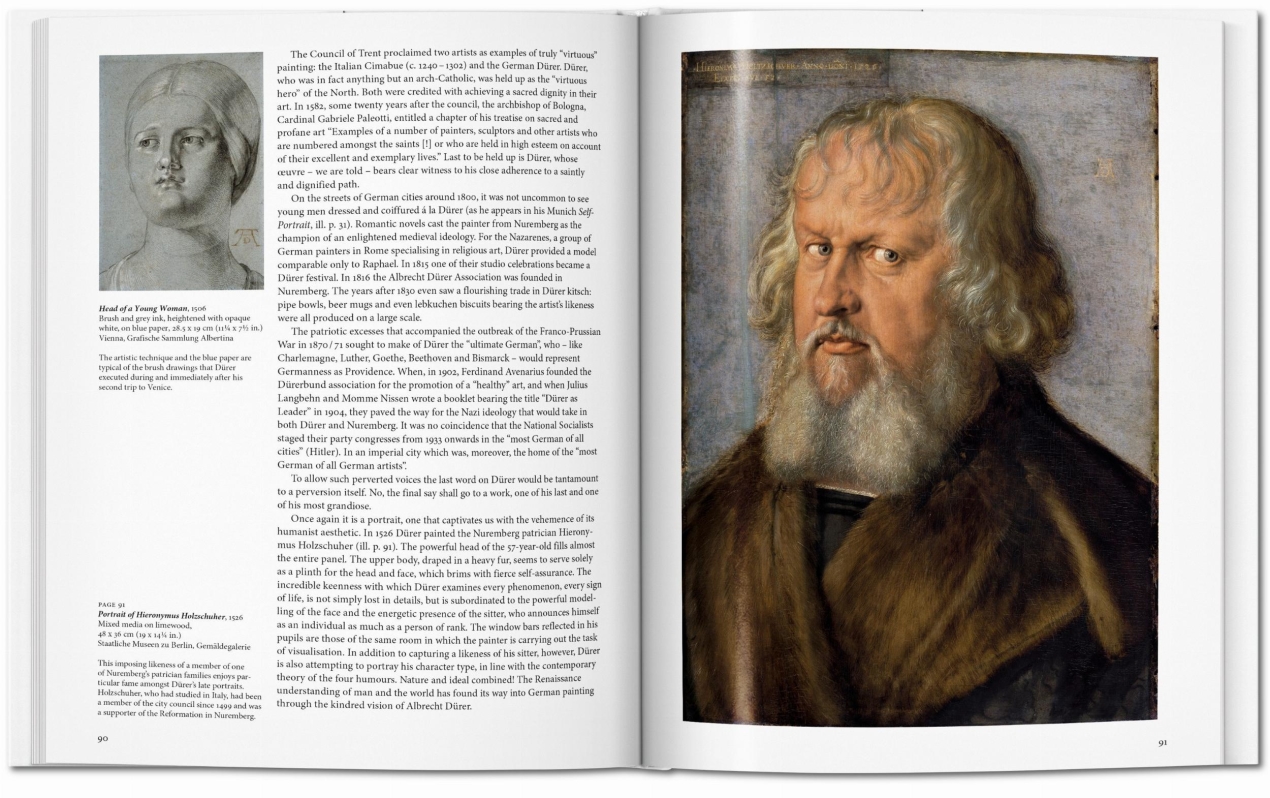
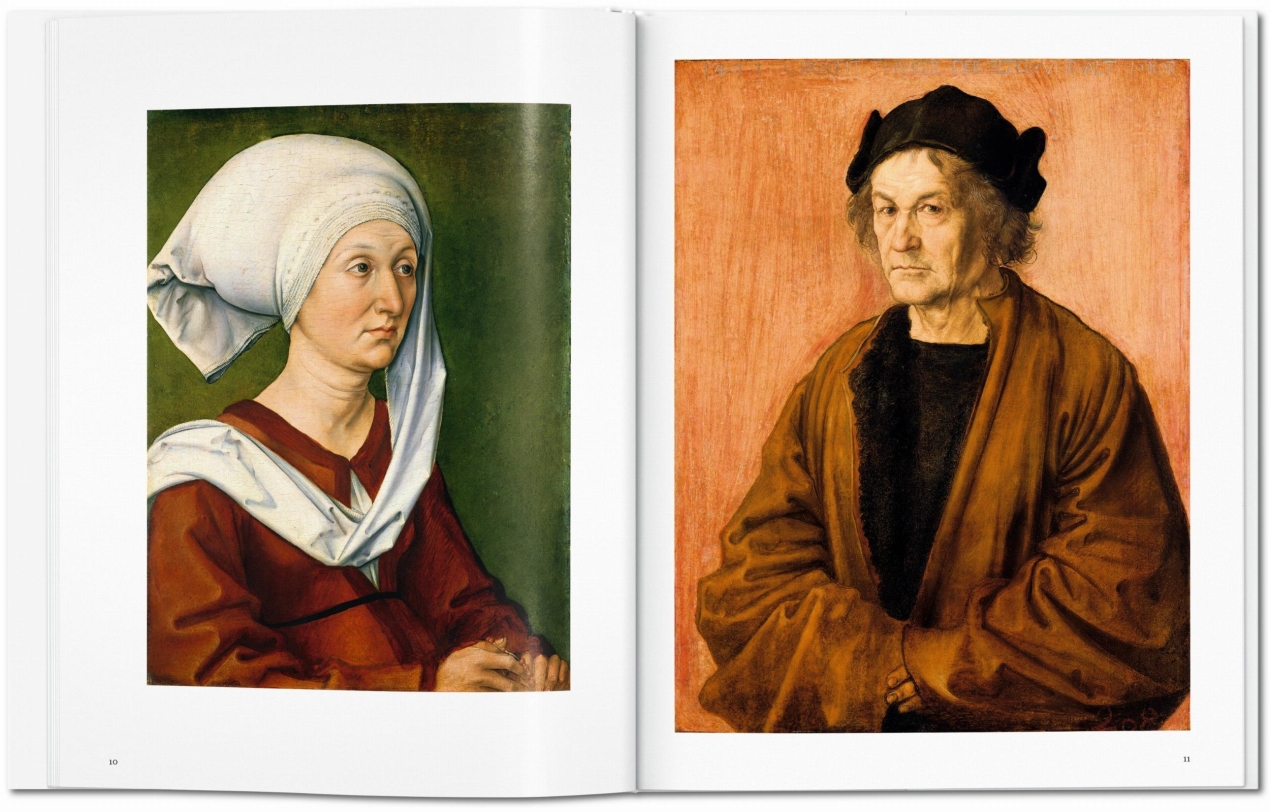
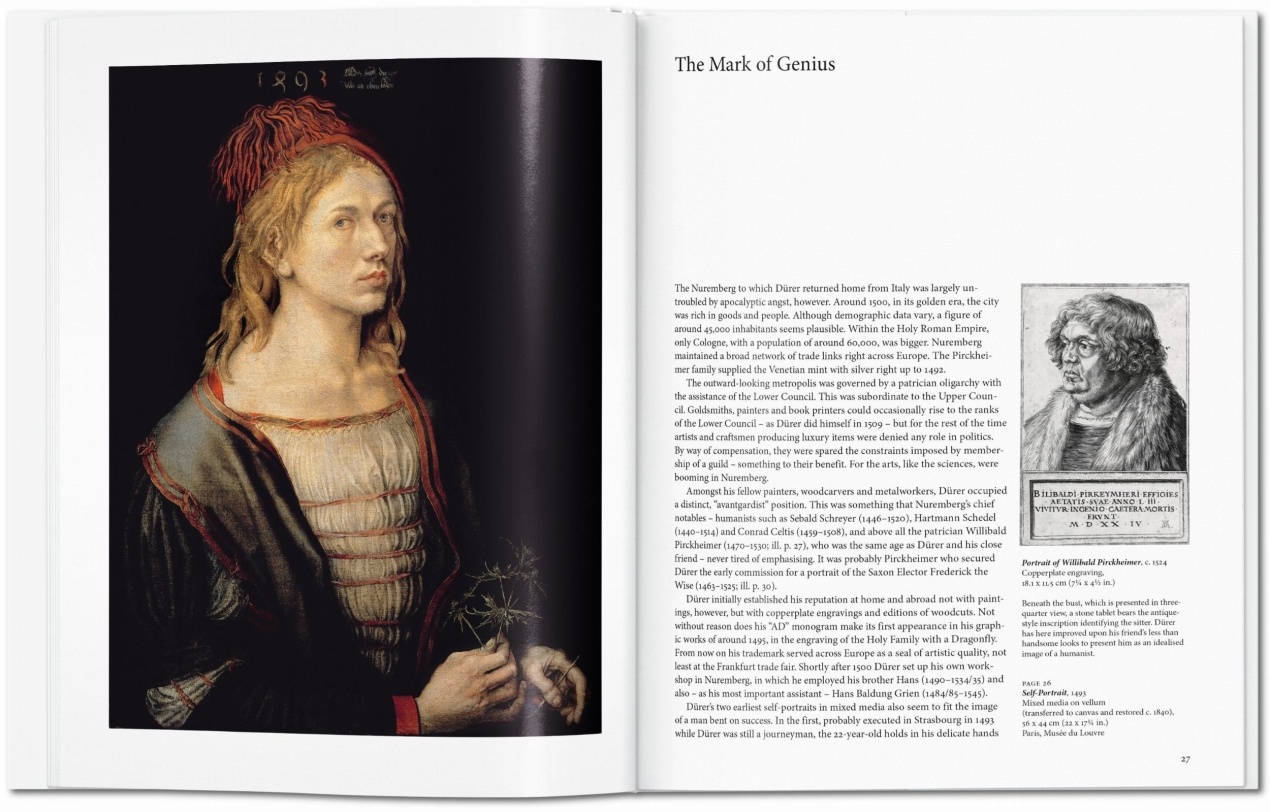
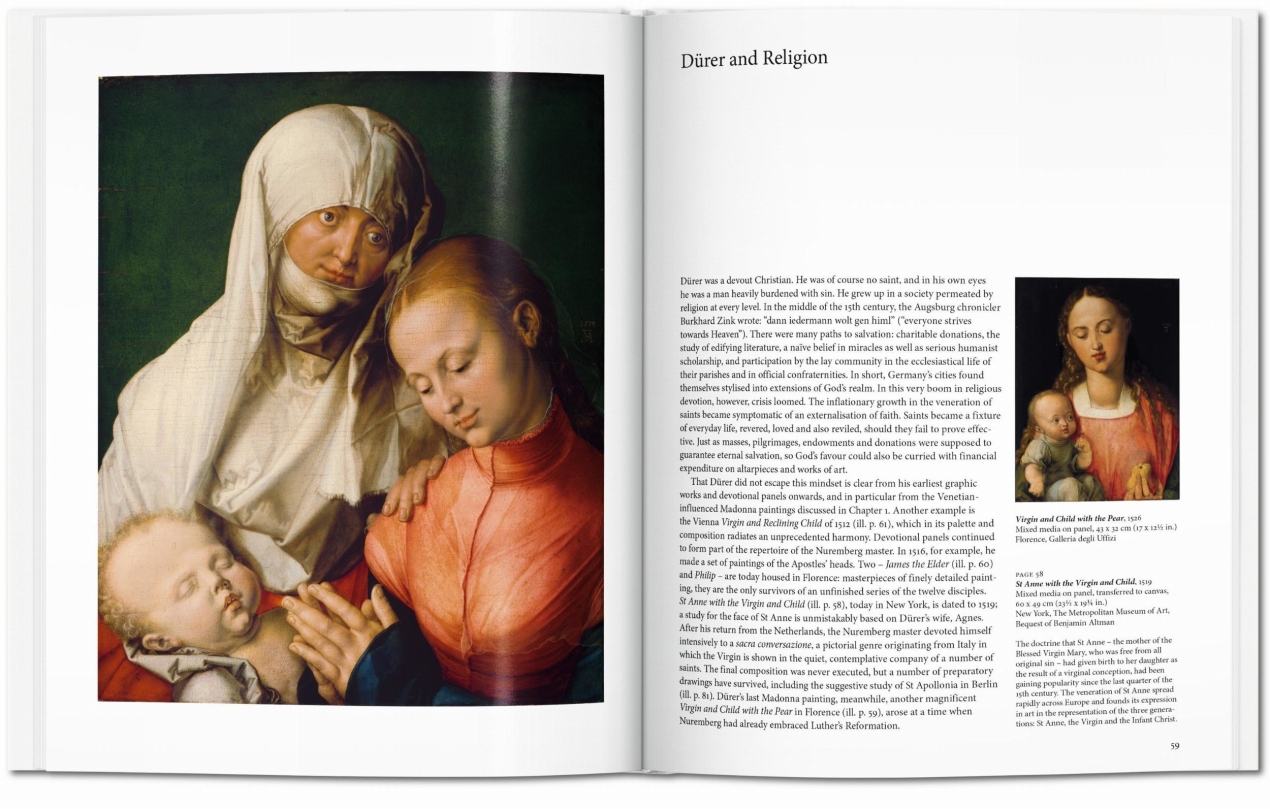
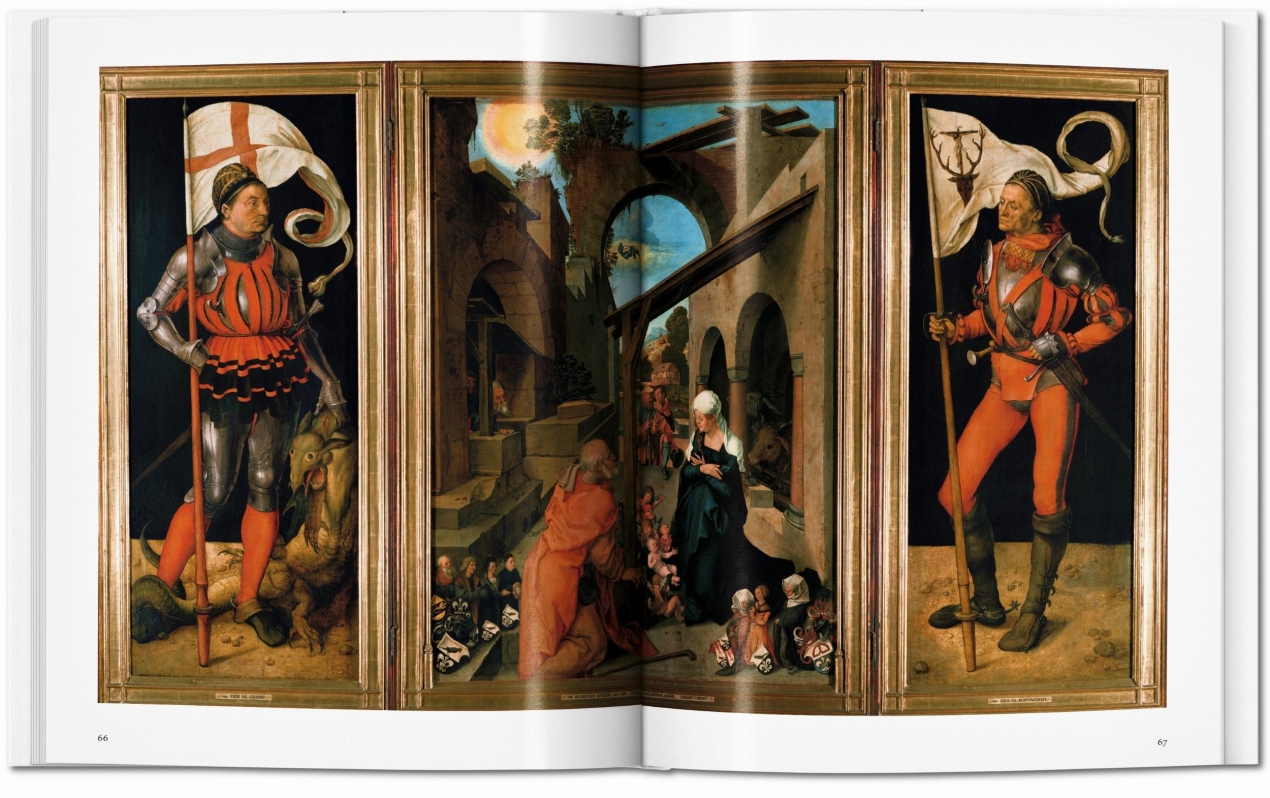
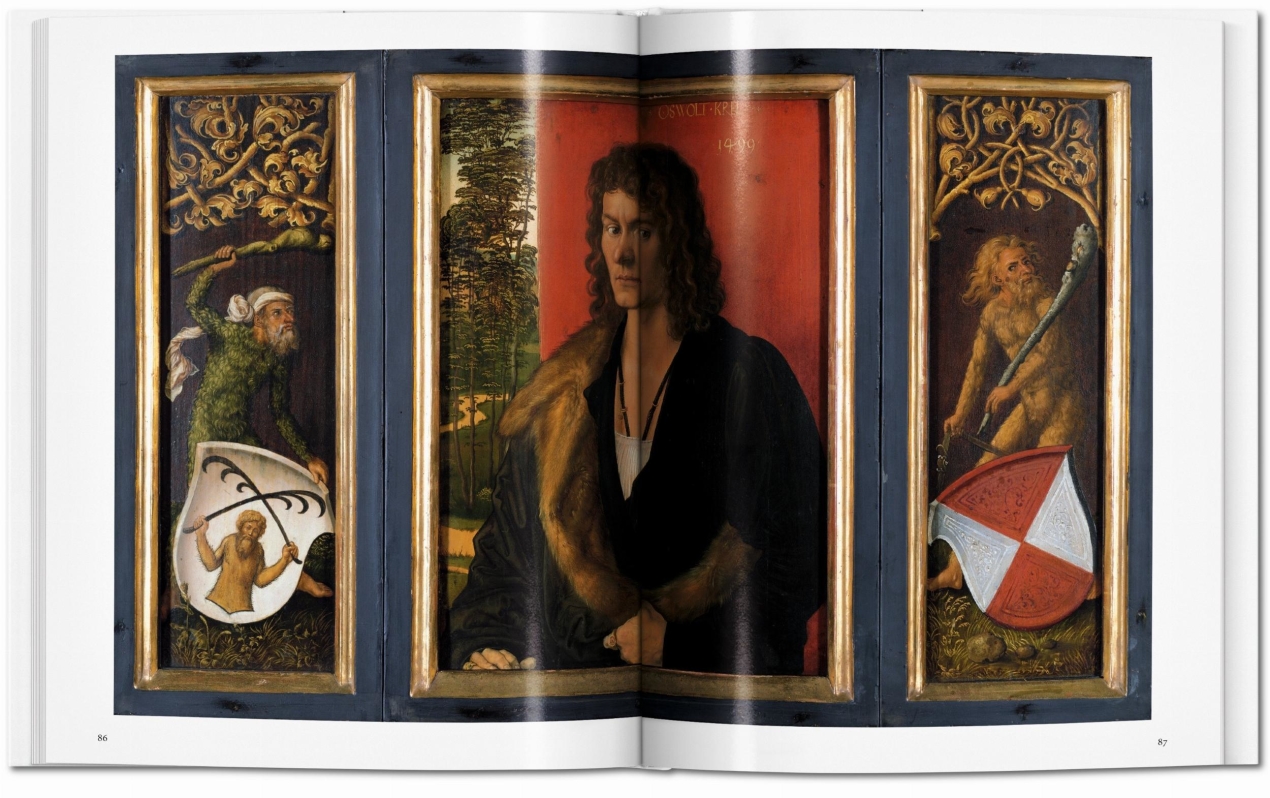
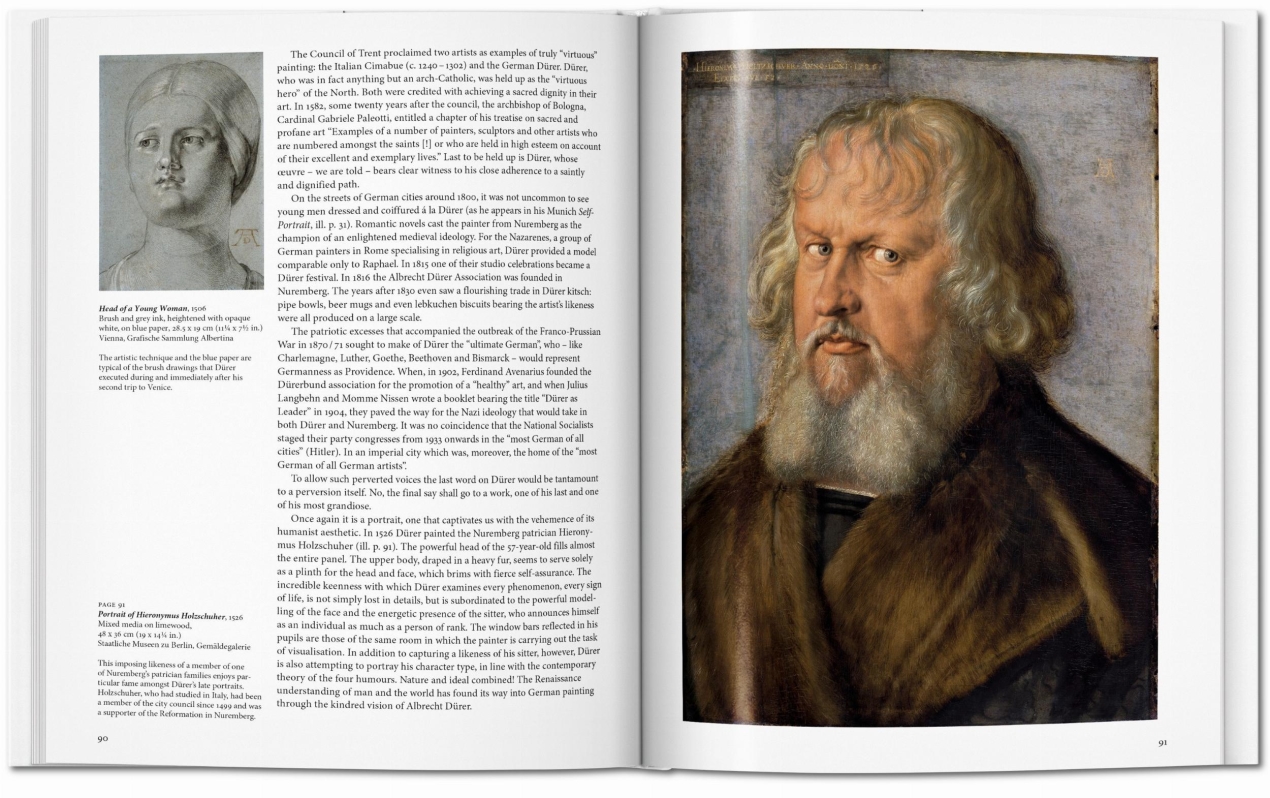

Dürer’s woodcuts astonish in scale as much as detail. Through works such as Apocalypse and the Triumphal Arch for Emperor Maximilian I, he created dense, meticulous compositions that were much larger, much more finely cut, and far more complex than any earlier woodcut efforts. With an ambitious tonal and dynamic range, he introduced a new level of conceptual, emotional, and spiritual intensity. His two major woodcut series on Christ’s Passion, named The Large Passion and The Small Passion after their size, are particularly remarkable for their vivid human treatment of the Christian narrative. In his copper engraving, Melancholia I, meanwhile, Dürer created a startling vision of emotional ennui, often cited as a defining early image of a depressive or melancholic state.
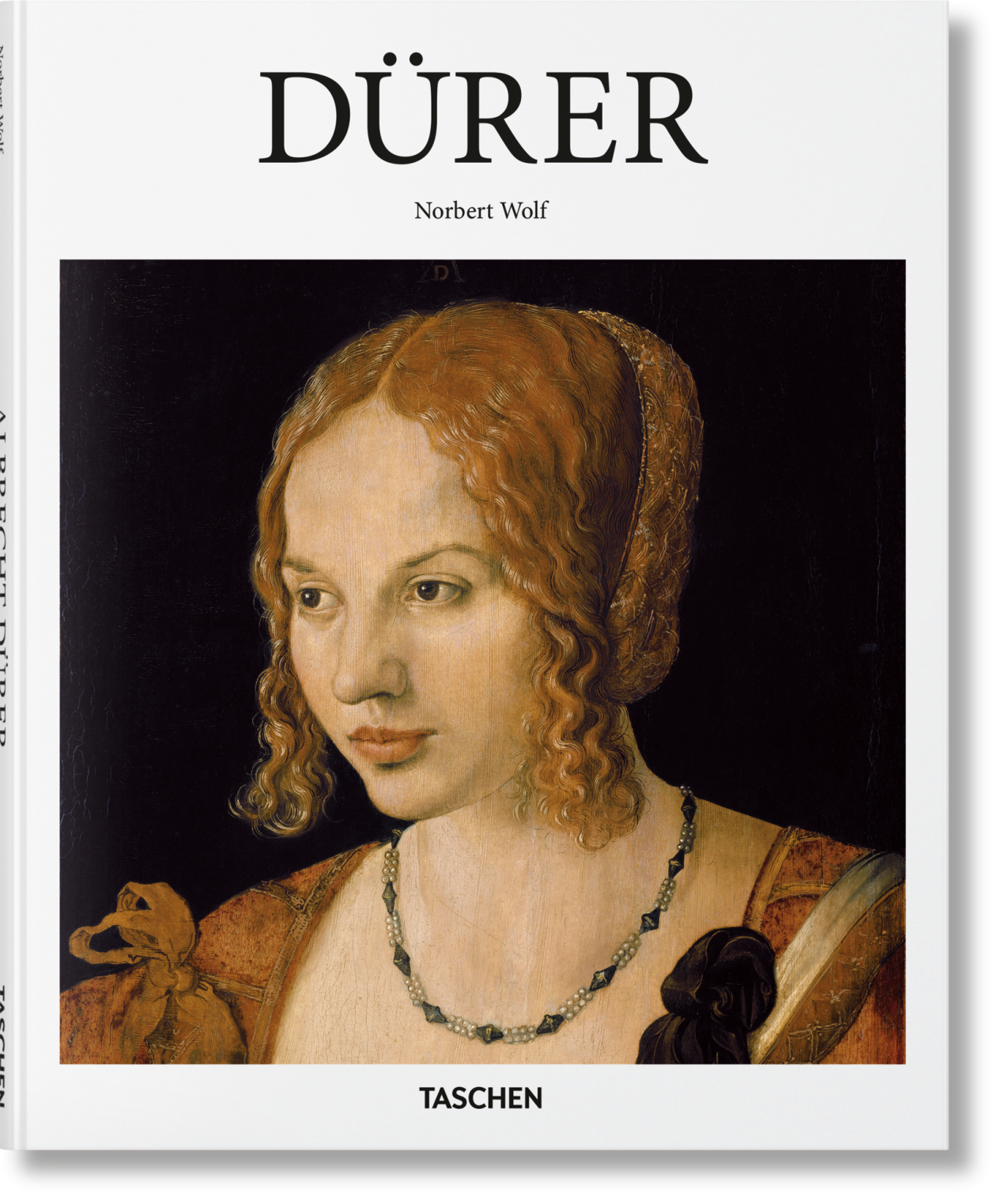
Ever inquisitive, Dürer absorbed ideas not only from masters and fellow artists in Germany but also from Italy, while his own influence extended across Europe for generations to come. In this essential TASCHEN introduction, we explore this pioneering figure’s complex practice, his omnivorous intellect, and the key works which shaped his enduring legacy.
The author
Norbert Wolf graduated in art history, linguistics, and medieval studies at the Universities of Regensburg and Munich, and earned his PhD in 1983. He held visiting professorships in Marburg, Frankfurt, Leipzig, Düsseldorf, Nuremberg-Erlangen, and Innsbruck. His extensive writings on art history include many TASCHEN titles, such as Diego Velázquez, Ernst Ludwig Kirchner, Caspar David Friedrich, Expressionism, Romanesque, Landscape Painting, and Symbolism.Dürer
Hardcover, 21 x 26 cm, 0.63 kg, 96 pagesISBN 978-3-8365-3058-3
Edition: GermanISBN 978-3-8365-3081-1
Edition: EnglishISBN 978-3-8365-6087-0
Edition: ItalianISBN 978-3-8365-6374-1
Edition: SpanishDownload product images here
You have successfully commented, please wait for review
Copied Successfully
You can enjoy up to 1 free gift!