What are you looking for?
Search

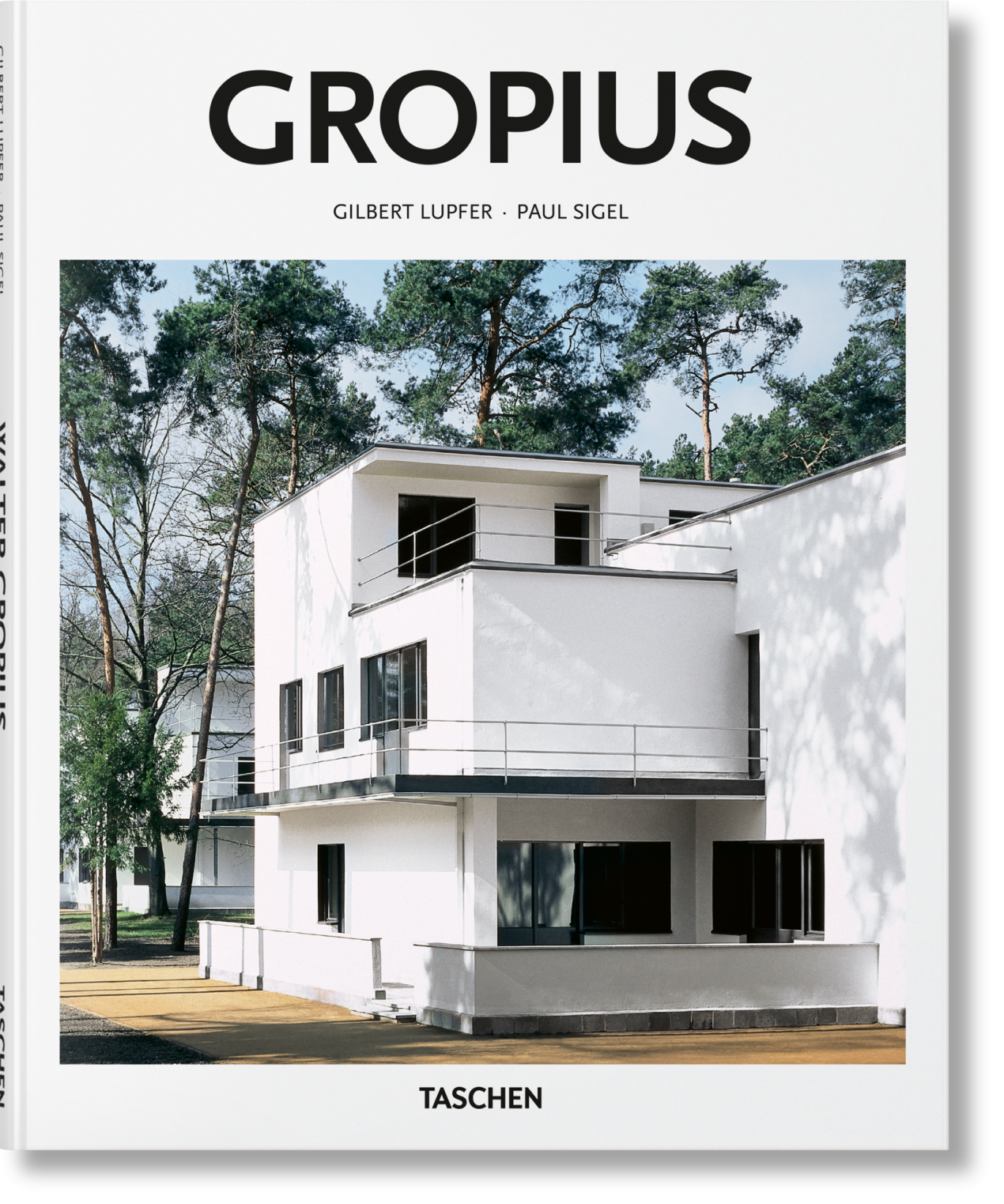
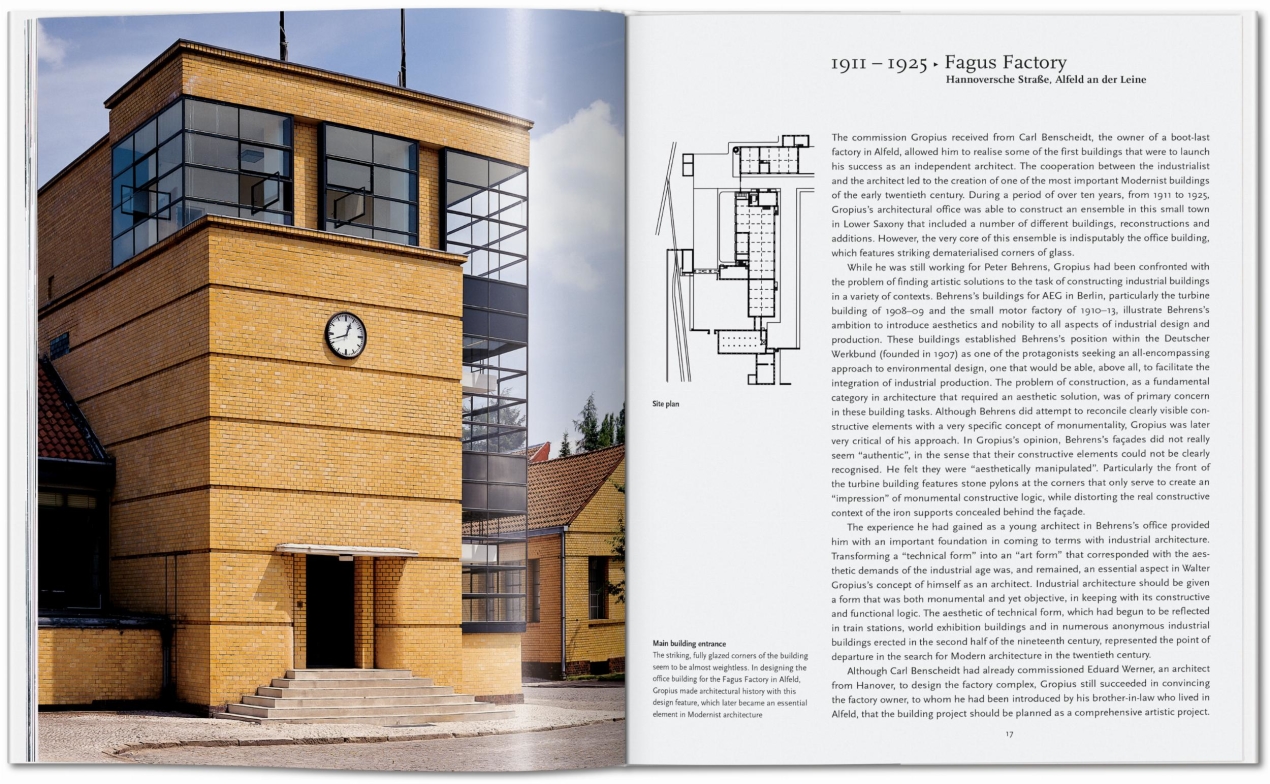
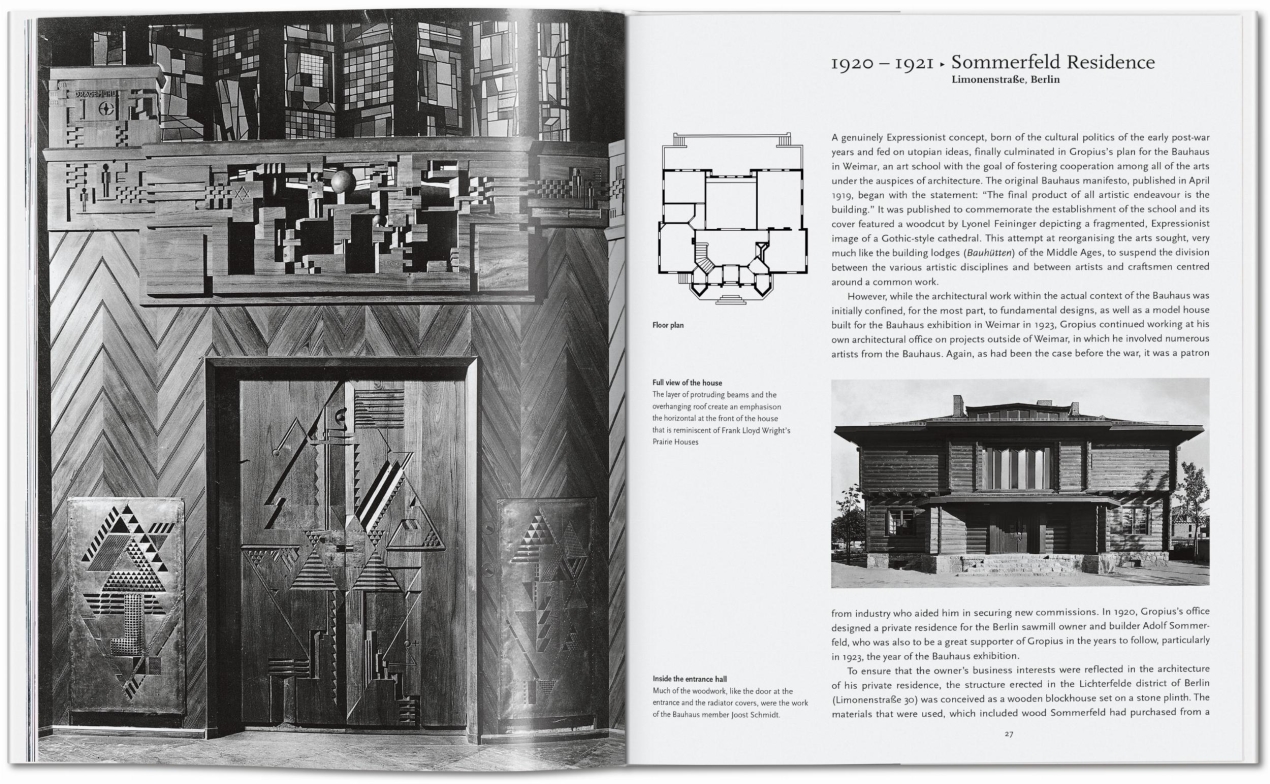
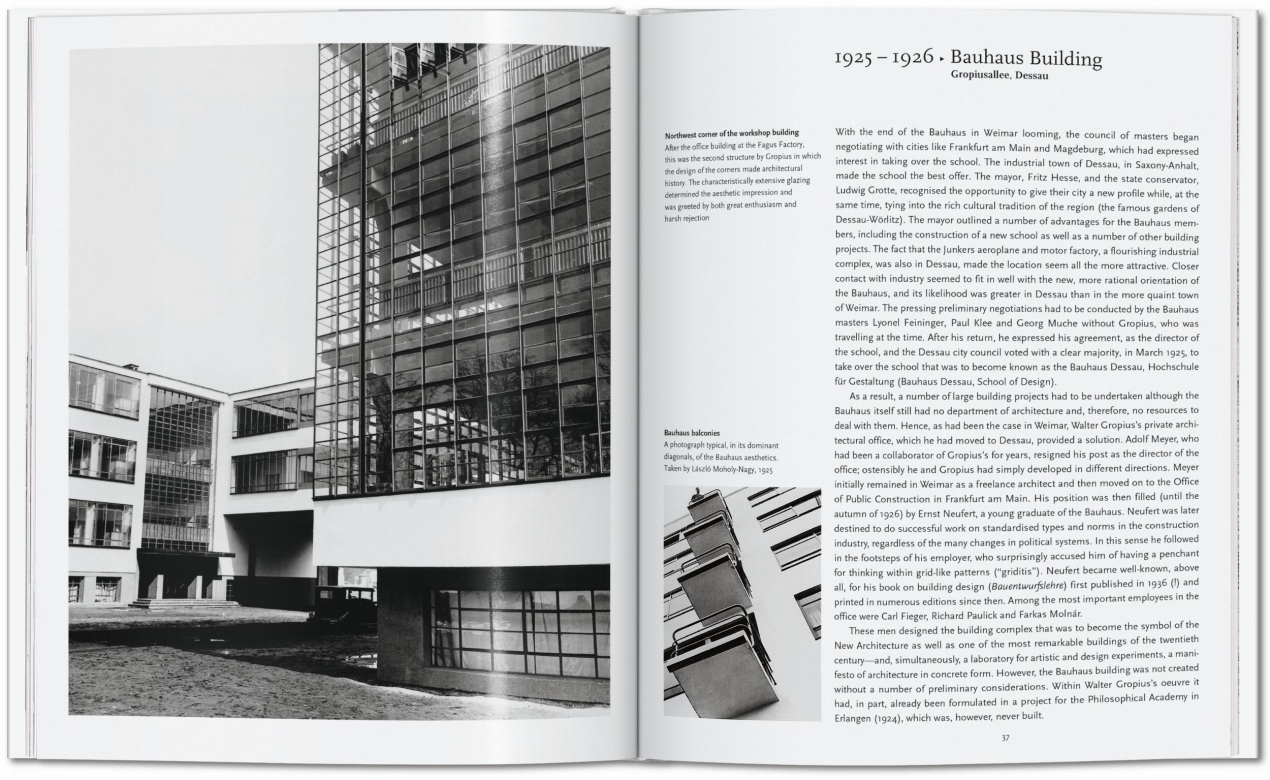
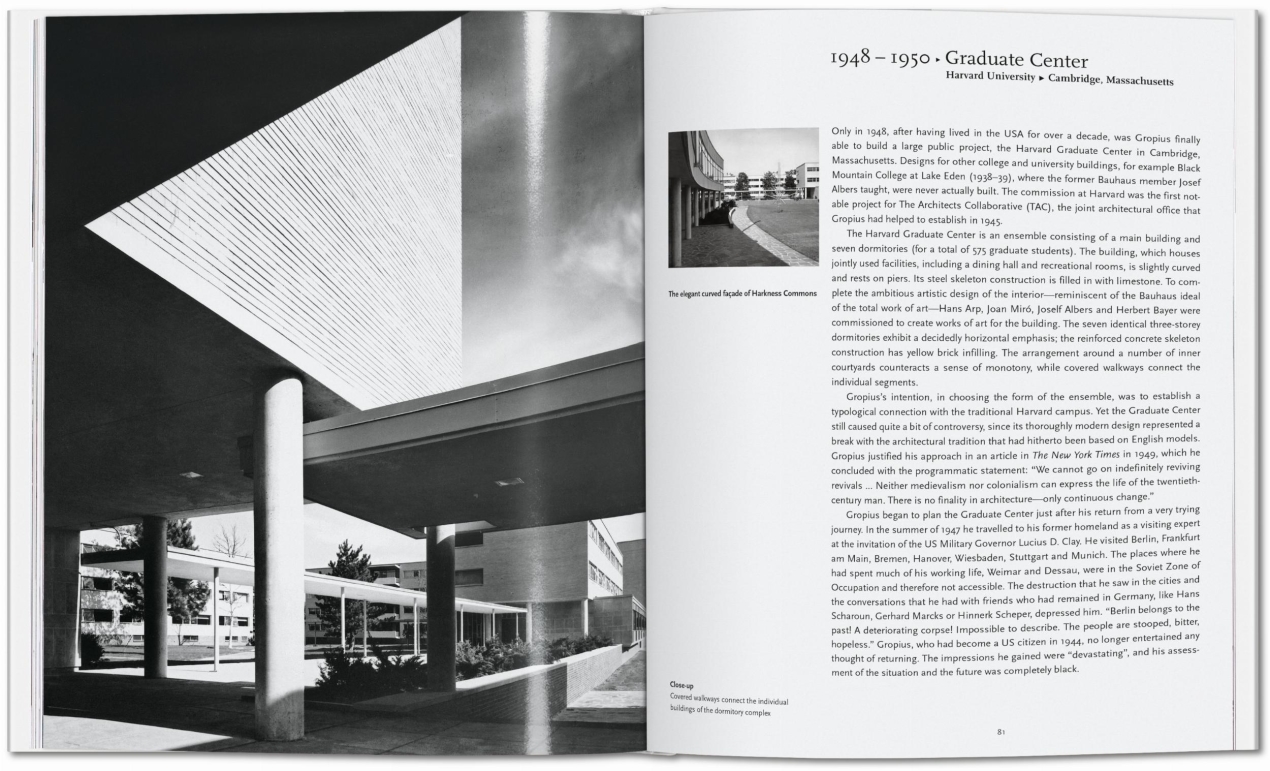
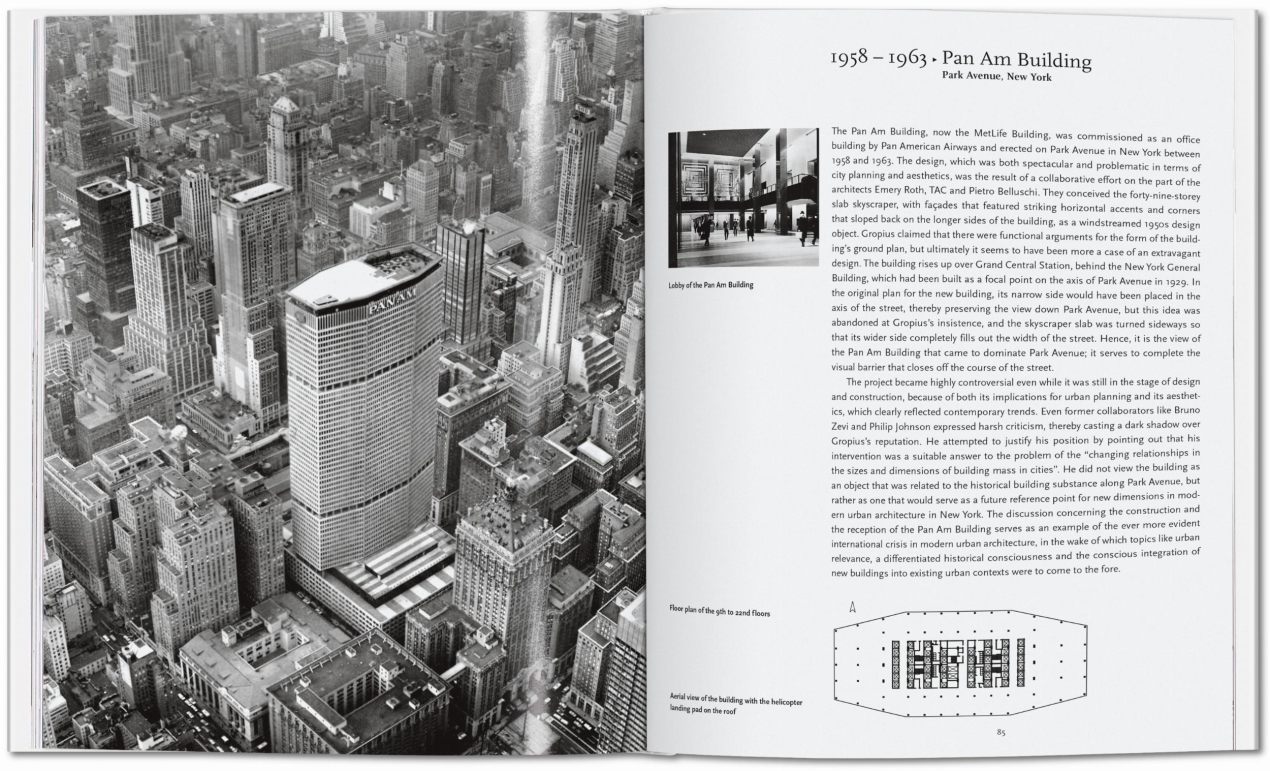
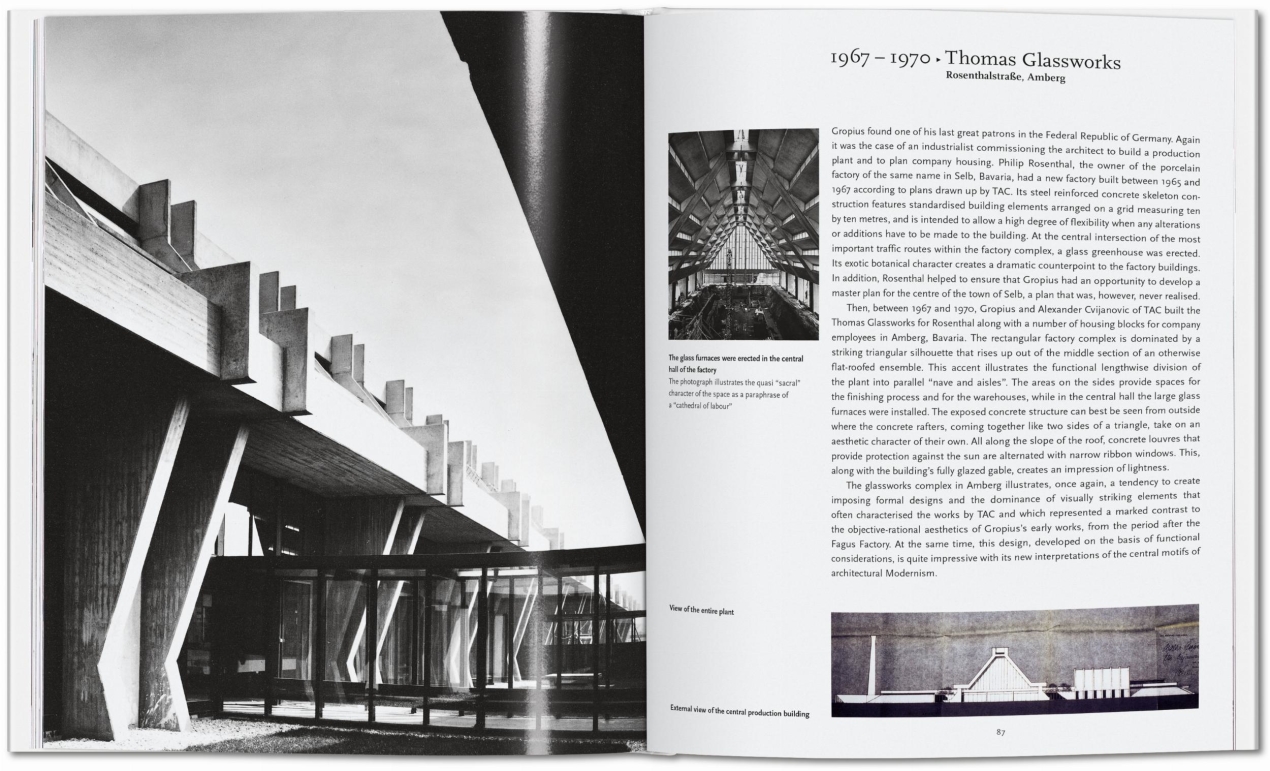
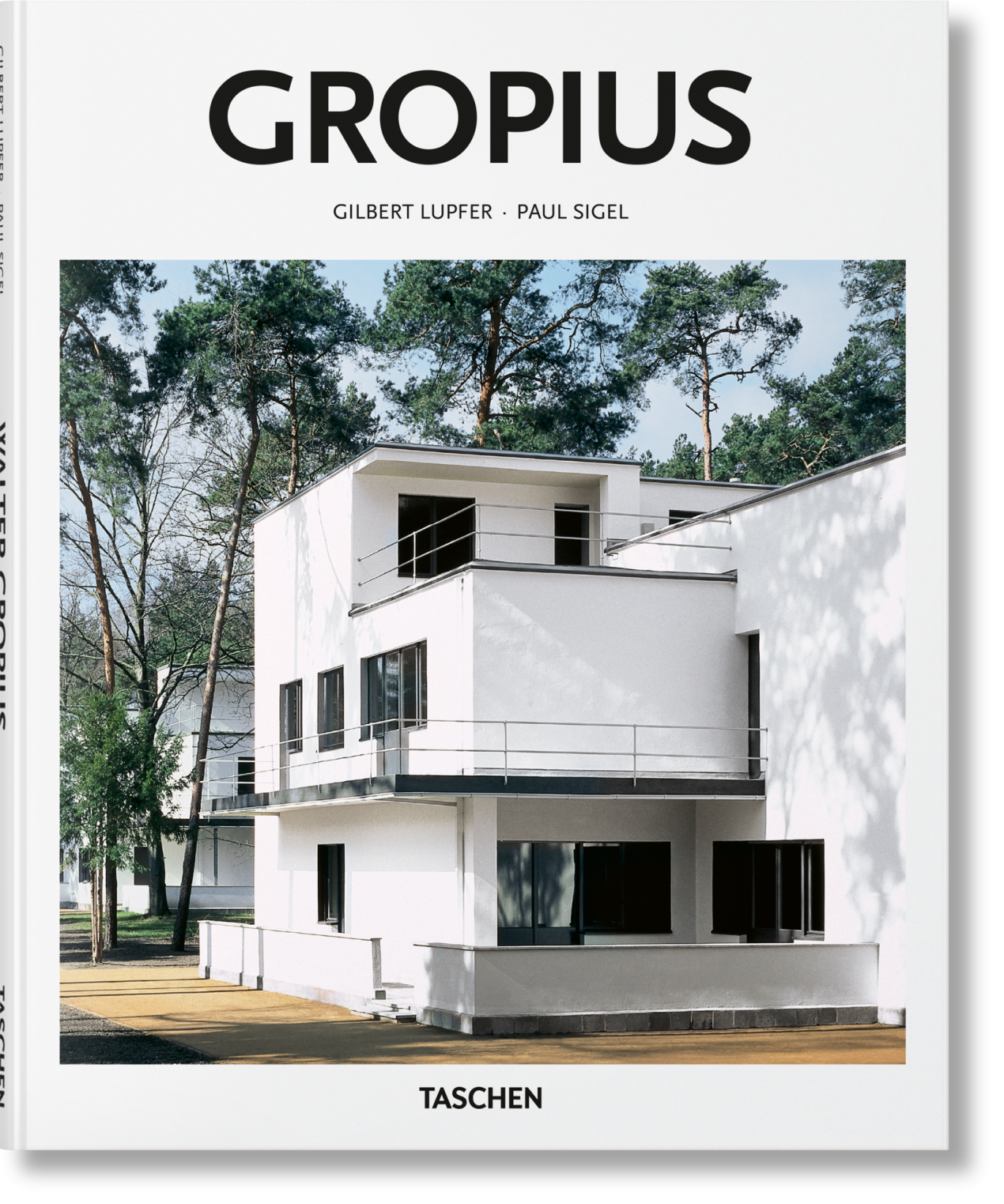
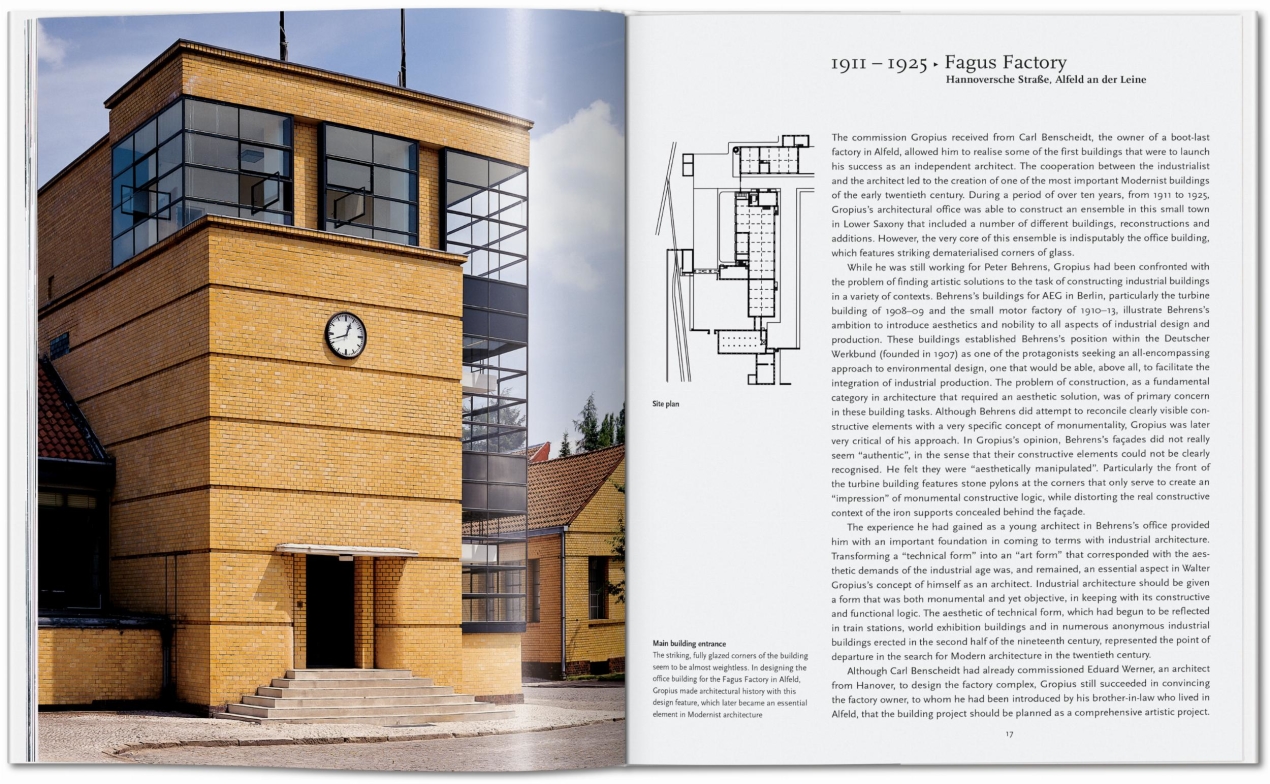
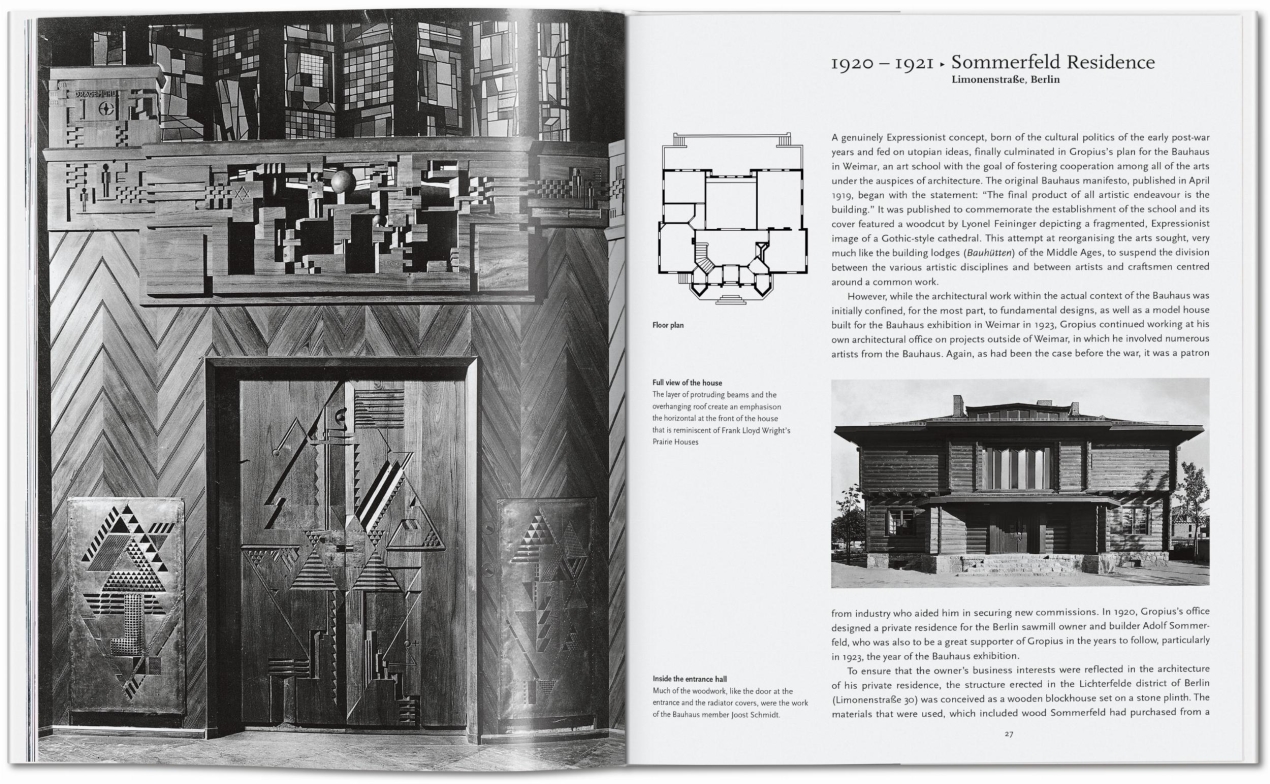
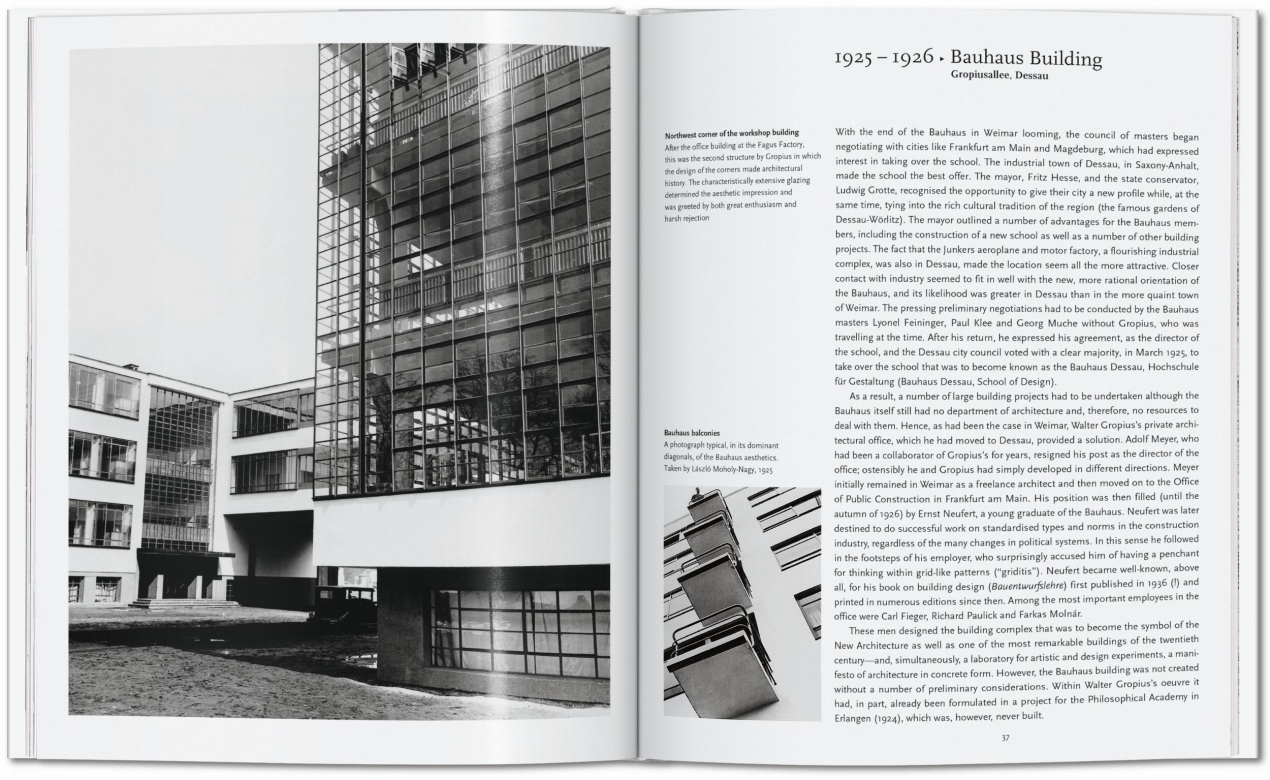
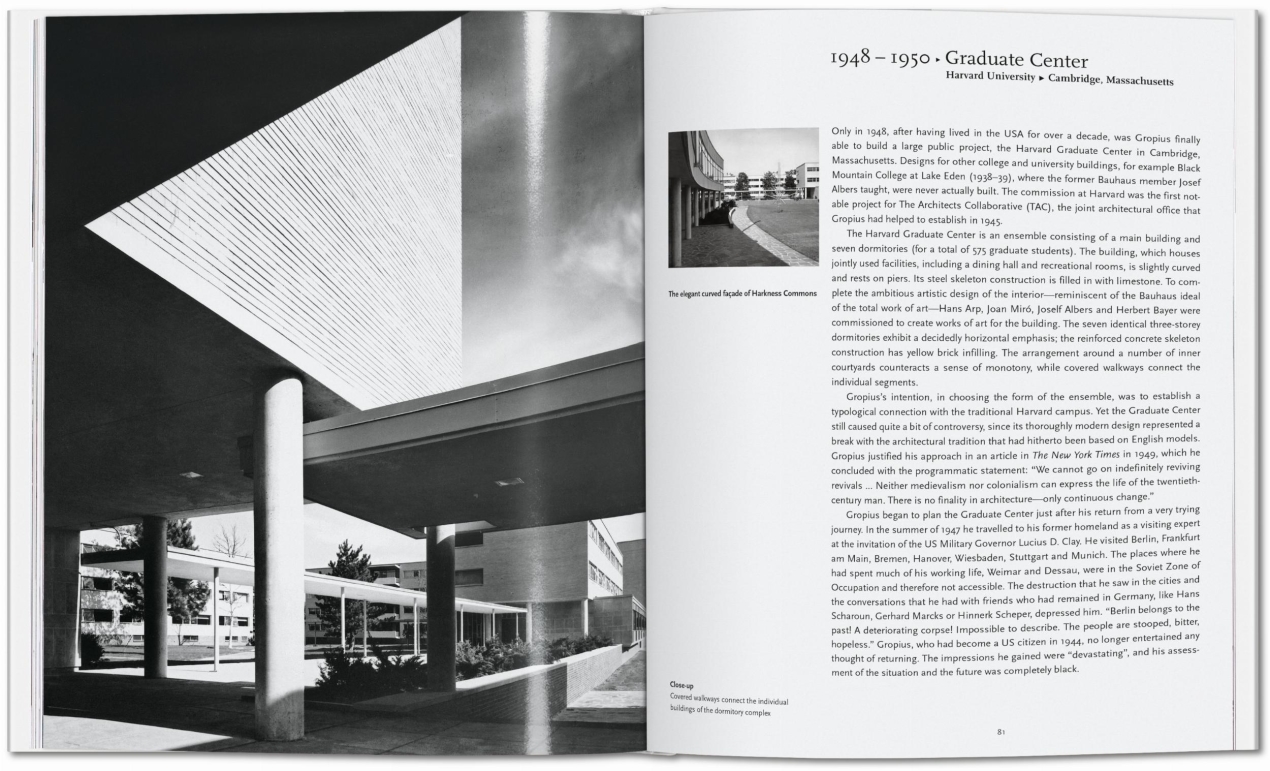
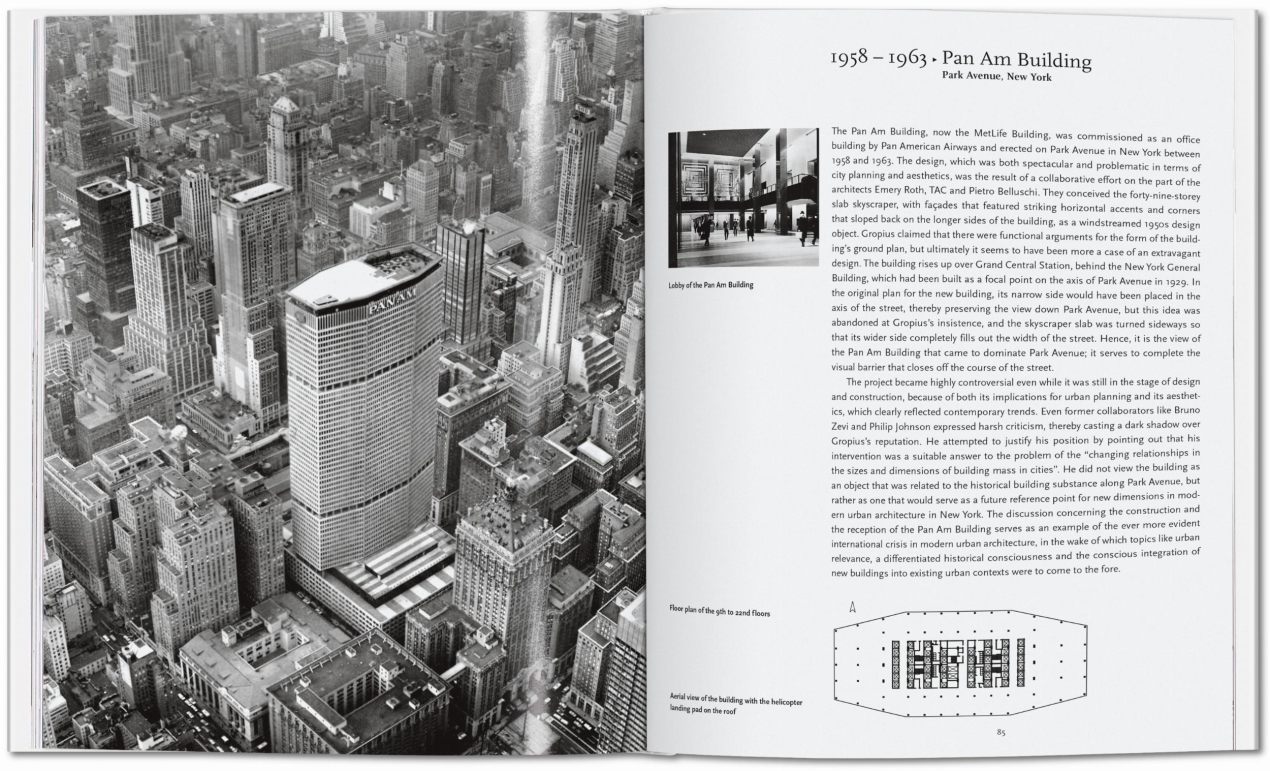
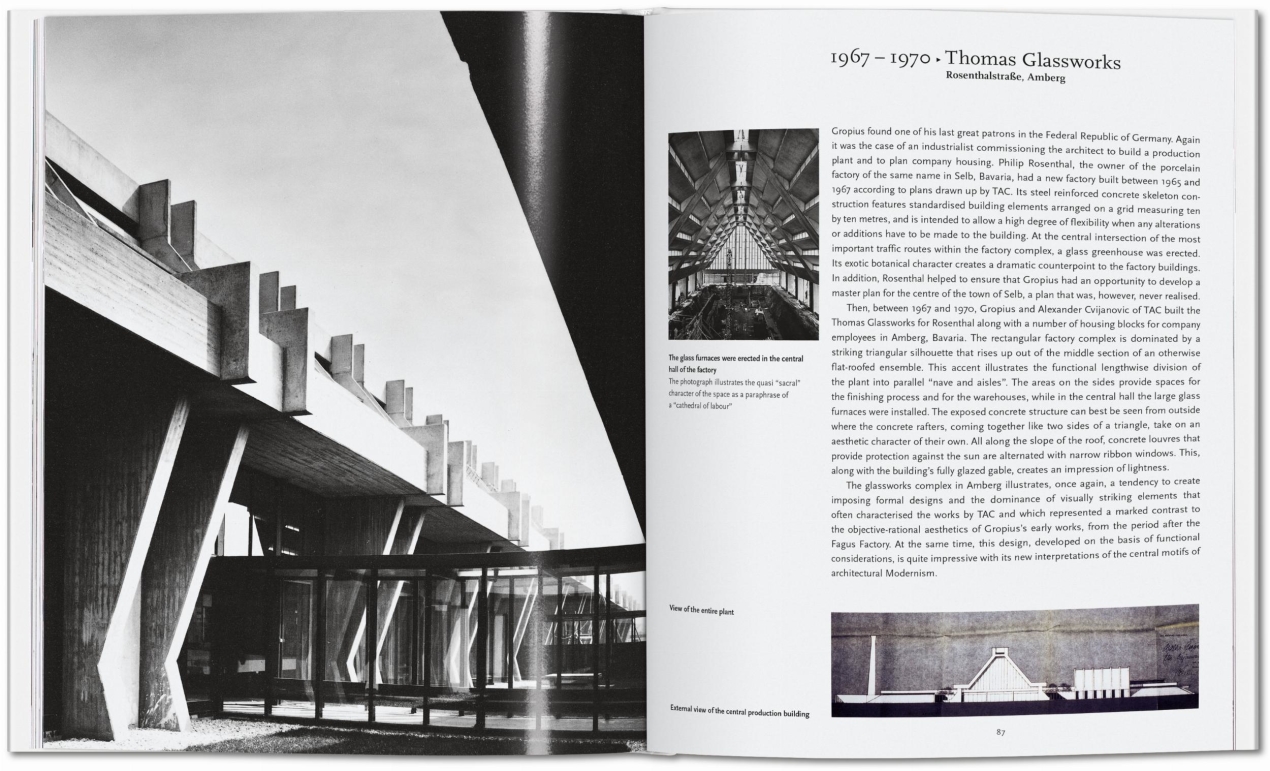

In this essential architect introduction, we survey Gropius’ evolution and influence with 20 of his most significant projects, from the Bauhaus Building in Dessau, Germany, to the Chicago Tribune Tower and Harvard University Graduate Center, completed after Gropius’s exodus to the United States in 1937. We explore his role both as an architectural practitioner, and as a writer and educator, not only as a Bauhaus pioneer, but also, along with Ludwig Mies van der Rohe, as a leading proponent of the International Style.
Along the way, we see how many of Gropius’s tenets remain benchmarks for architects, designers, and urbanists today. Whether in his emphasis on a functional beauty or his interest in housing and city planning, Gropius astounds in the agility of his thinking as much as in the luminous precision of his work.
The authors
Gilbert Lupfer studied art history, history, Romance studies and cultural studies at the Eberhard Karls Universität in Tübingen and the Freie Universität in Berlin. Paul Sigel studied art history and German literature at the Eberhard Karls Universität in Tübingen. They both currently teach at the Technische Universität Dresden.
The editor
Peter Gössel runs an agency for museum and exhibition design. He has published TASCHEN monographs on Julius Shulman, R. M. Schindler, John Lautner, and Richard Neutra, as well as several titles in the Basic Architecture series.Gropius
Hardcover, 21 x 26 cm, 0.63 kg, 96 pagesISBN 978-3-8365-4432-0
Edition: GermanISBN 978-3-8365-4433-7
Edition: FrenchISBN 978-3-8365-4434-4
Edition: EnglishDownload product images here
You have successfully commented, please wait for review
Copied Successfully
You can enjoy up to 1 free gift!